
Imagine starting your day with the vibrant flavors of Morocco. This country is famous for its rich culinary heritage. You’ll find a mix of traditional and international dishes that can make your mornings special.
You might be surprised to find that a vegan croissant fits perfectly in this exotic breakfast scene. Especially when filled with scrambled tofu.
As you start this culinary adventure, you’ll learn to add these tasty elements to your breakfast. This will make your mornings more exciting and flavorful.
Introduction to Moroccan Breakfast Culture
In Morocco, breakfast is a big deal. It’s a time when people come together, enjoying traditional tastes and ingredients. This culture shows how breakfast is key in daily life.
Breakfast in Morocco is more than just food. It’s a time for bonding and sharing stories. It’s when families and friends gather, creating a warm sense of community.
The significance of breakfast in Morocco
Moroccans see breakfast as the most important meal. It’s a chance to slow down and enjoy each other’s company. You can make your breakfast time a moment to connect with loved ones.
If you’re into plant-based breakfast, Moroccan food has great options. You can find recipes with local ingredients and spices. This makes for a tasty and healthy start to your day.
Traditional flavors and ingredients
Moroccan breakfasts are known for their spices, fresh ingredients, and bread. Ingredients like olives, preserved lemons, and herbs add flavor. You can try these in your kitchen, maybe with a tofu scramble recipe for protein and creativity.
By using these traditional flavors, you can make a Moroccan-inspired breakfast. It’s both nourishing and delicious. Moroccan breakfast culture is a great way to spice up your mornings or try new foods.
Essential Ingredients for a Moroccan Breakfast
To start your day like a Moroccan, you need to know the key ingredients for breakfast. These ingredients are the base for tasty meals and show Morocco’s rich food culture.
Bread: A staple in every meal
Bread is key in Moroccan meals, including breakfast. You’ll find crusty bread with dips, spreads, or for scooping stews. Adding French pastry like flaky croissants can make breakfast special. And, for those who can’t have dairy, dairy-free croissant options are out there.
Spices that define Moroccan breakfast
Moroccan food is famous for its spices, which are vital for breakfast flavors. Spices like cumin, coriander, cinnamon, and ginger are used to make tasty blends. These spices make breakfast not just tasty but also a sensory delight.
Dairy products in Moroccan cuisine
Dairy is big in Moroccan breakfasts. You’ll see yogurt and cheese with honey or jam. For those who can’t have dairy, there are many alternatives. This way, everyone can enjoy Moroccan breakfast flavors.
Traditional Moroccan Dishes for Breakfast
Morocco’s breakfasts are a feast of flavors and textures. You can start your day with a variety of delicious options. These dishes showcase the country’s rich culinary heritage.
Msemen: Flaky and Delicious
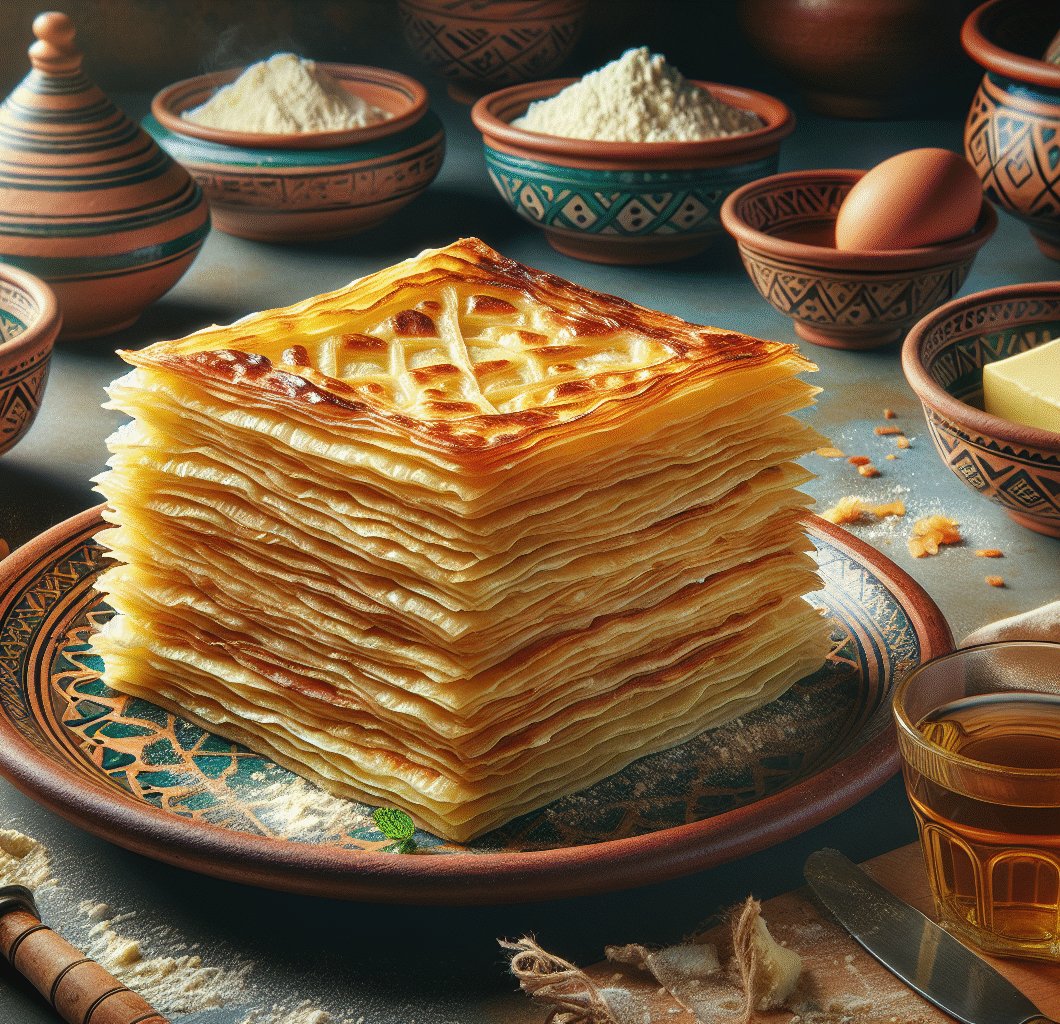
Msemen is a Moroccan pancake that’s layered and flaky, like a croissant. It can be filled with sweet treats like honey and nuts or savory options like meat and onions. For a vegetarian breakfast, try Msemen with cheese or eggs.
Baghrir: The Famous Moroccan Pancakes
Baghrir, or “thousand-hole pancakes,” are a Moroccan favorite. They’re made with yeast for a spongy texture and lots of holes. Enjoy them with butter, honey, or jam for a sweet breakfast.
Khlea: Savory, Preserved Meat
Khlea is a preserved meat loved in Morocco. It’s often served at breakfast, alone or in dishes. Pair it with eggs, bread, or Msemen for a filling meal. For a non-meat option, a savory croissant is a tasty choice.
Here’s a comparison of these traditional Moroccan breakfast dishes:
| Dish | Description | Common Fillings or Toppings |
|---|---|---|
| Msemen | Layered, flaky pancake | Honey, nuts, meat, onions, cheese, eggs |
| Baghrir | Spongy, “thousand-hole” pancakes | Butter, honey, jam |
| Khlea | Preserved meat | Often served with eggs or bread |
Exploring Moroccan breakfast traditions reveals delicious dishes deeply rooted in culture. A Moroccan chef says, “Breakfast is a time to gather with family and friends, and sharing traditional dishes is a big part of that.” Try these dishes to experience the warmth and hospitality of Morocco.
“The art of cooking is not just about mixing ingredients, it’s about creating an experience that brings people together.”
Popular Moroccan Beverages for Breakfast
A traditional Moroccan breakfast isn’t complete without its special drinks. These drinks are key to starting the day right. Adding them to your easy brunch recipe can make breakfast even better.
Mint Tea: The Iconic Moroccan Drink
Mint tea is a big deal in Morocco. It’s made with green tea, fresh mint, and sugar. It’s refreshing and perfect for breakfast. Enjoy it alone or with Moroccan pastries.

Fresh Orange Juice: A Refreshing Choice
Fresh orange juice is a hit in Morocco. The country’s oranges are known for their taste. It’s a healthy way to start your day. Pair it with your easy brunch recipe for a great breakfast.
Coffee and Its Unique Preparations
Coffee is loved in Morocco, often made in special ways. Moroccan coffee includes cardamom for a unique taste. Adding spice to your coffee can make breakfast even better, especially with a tasty easy brunch recipe.
Adding these Moroccan drinks to your breakfast can bring a bit of Moroccan culture to your morning. Whether you like mint tea, fresh orange juice, or Moroccan coffee, there’s something for everyone.
How to Create a Moroccan Breakfast at Home
You can make a Moroccan breakfast at home with spices, bread, and dairy. Moroccan breakfasts are rich and varied. They show the country’s culture and geography.
Gathering the Necessary Ingredients
To make a real Moroccan breakfast, you need some key ingredients. These include:
- Traditional Moroccan bread, such as Khobz or Msemen
- Spices like cumin, coriander, and cinnamon
- Dairy products, including cheese, yogurt, and milk
- Fresh fruits and nuts for added flavor and nutrition
Some recipes might also need special ingredients like preserved meats or pickled vegetables. You can find these at Middle Eastern or North African stores, or online.
Step-by-Step Cooking Guide
With your ingredients ready, you can start cooking your Moroccan breakfast. Here’s a simple recipe to start with:
| Dish | Ingredients | Instructions |
|---|---|---|
| Msemen | Flour, water, salt, butter, oil | Mix dough, let it rest, then roll out and cook in a pan |
| Baghrir | Semolina, flour, yeast, water, salt | Mix batter, let it ferment, then cook on a griddle |
| French Croissant with Scrambled Tofu | Croissant, tofu, spices, herbs | Scramble tofu with spices, serve with croissant |
For a unique twist, try a French Croissant with Scrambled Tofu. It mixes Moroccan and international flavors.
Presentation Tips to Impress
How you present your Moroccan breakfast is key. Here are some tips to make it look as good as it tastes:
- Use colorful plates and linens to add visual appeal
- Arrange your dishes in a visually appealing way, with a mix of textures and colors
- Add fresh flowers or herbs to the table for a pop of color and fragrance
By following these tips, you can make a Moroccan breakfast at home that’s both delicious and beautiful.
Regional Variations of Moroccan Breakfast
Moroccan breakfasts vary greatly across the country. Each region has its own special twist on morning meals. This is due to local ingredients, cultural traditions, and geography.
Breakfast in Marrakech: A Culinary Adventure
Breakfast in Marrakech: A culinary adventure
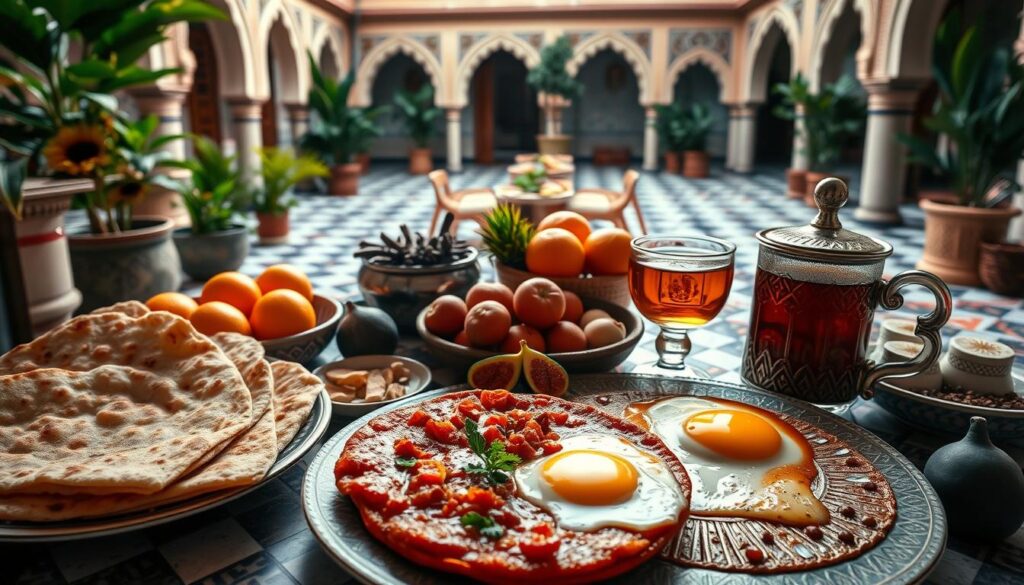
Marrakech is known for its lively souks and rich food culture. Here, you can try traditional dishes like Msemen and Baghrir. Enjoy them with a warm cup of mint tea. Some cafes in Marrakech also offer vegan croissants, mixing French pastries with plant-based ingredients.
Coastal flavors: Breakfast in Essaouira
Essaouira, a coastal town, offers breakfasts with a fresh, seafood flavor. You might have fresh fish with olives and bread. Or, choose a lighter meal with local cheeses and fruits. Essaouira’s breakfasts often include seafood, making it perfect for seafood lovers.
Berber Influences from the Atlas Mountains
Berber influences from the Atlas Mountains
The Atlas Mountains are home to the Berber community. Their breakfasts are filled with grains, nuts, and dried fruits. These dishes are nutritious and start your day right. You can also find plant-based options that use local ingredients, showing the Berber love for natural foods.
Exploring Moroccan breakfasts shows that it’s more than just food. It’s about the culture and community. Whether in Marrakech or the Atlas Mountains, breakfast is a chance to connect with locals and enjoy Moroccan cuisine’s diversity.
“The discovery of a new dish does more for human happiness than the discovery of a new star.” – Jean Anthelme Brillat-Savarin
This quote captures the joy of discovering new foods, like Moroccan breakfasts. Enjoying these unique experiences lets you appreciate the mix of flavors, ingredients, and cultures that make Moroccan cuisine so rich.
Health Benefits of a Moroccan Breakfast
Starting your day with a Moroccan breakfast can change your health for the better. It’s packed with nutrients from its diverse ingredients and balanced flavors.
Moroccan breakfasts include bread, spices, dairy, and savory meats. These foods not only taste great but also offer health benefits.
Nutritional Value of Traditional Ingredients
Traditional Moroccan ingredients are chosen for their health benefits. Bread, often made from whole grains, is a staple and rich in fiber. Spices like cumin and coriander add flavor and have antioxidants.
Adding a tofu scramble recipe to your Moroccan breakfast boosts its nutritional value. Tofu scramble is high in protein and can be seasoned with Moroccan spices for extra flavor.
| Ingredient | Nutritional Benefit |
|---|---|
| Whole Grain Bread | Rich in Fiber |
| Cumin | Antioxidant Properties |
| Tofu | High in Protein |
| Fresh Orange Juice | Rich in Vitamin C |
Balancing Flavors for Health
Balancing flavors is crucial for a healthy Moroccan breakfast. Mixing sweet, savory, and spicy elements makes for a meal that’s both tasty and nutritious.
For instance, combining a sweet French pastry with a savory msemen (a flaky pancake) is delightful. Adding a cup of mint tea, full of antioxidants, boosts your meal’s health benefits.
Understanding the nutritional value of Moroccan ingredients and balancing flavors leads to a healthy, tasty breakfast. It prepares you well for the day ahead.
Contemporary Twists on Moroccan Breakfast
The traditional Moroccan breakfast is getting a modern makeover. It blends local ingredients with global culinary trends. This fusion meets diverse dietary needs and introduces exciting flavors to the classic Moroccan breakfast.
Incorporating Global Flavors
Moroccan cuisine is famous for its rich flavors and spices. When mixed with global ingredients, it offers a unique breakfast experience. For example, a dairy-free croissant can be a delightful twist. These croissants, made with almond milk or other non-dairy alternatives, pair well with traditional Moroccan jam or honey.
Introducing vegetarian breakfast options is another way to add global flavors. Dishes like shakshuka with roasted vegetables or msemen filled with spinach and feta cheese offer a vegetarian twist to traditional Moroccan breakfasts.
“The beauty of Moroccan cuisine lies in its ability to adapt and evolve, making it a perfect canvas for fusion cuisine.” –
Fusion Dishes Inspired by Traditional Recipes
Fusion cuisine is all about creativity and experimentation. You can create innovative breakfast dishes by merging Moroccan recipes with international flavors. For instance, a Moroccan-style breakfast burrito filled with khlea (preserved meat), eggs, and spices wrapped in a msemen or a large tortilla can be a satisfying breakfast.
- Moroccan pancakes (baghrir) served with maple syrup and fresh fruits.
- A breakfast tagine made with eggs, vegetables, and served with crusty bread or couscous.
These contemporary twists make Moroccan breakfasts more versatile. They cater to a wider range of tastes and dietary preferences. By embracing global flavors and fusion dishes, you can enjoy a Moroccan breakfast that is both traditional and innovative.
Dining Etiquette for a Moroccan Breakfast
When you sit down to a Moroccan breakfast, it’s more than just eating. It’s joining a rich cultural tradition. Moroccan breakfasts are lively, filled with family and friends sharing dishes.
The meal is about the food, company, and customs. To enjoy a Moroccan breakfast, knowing the etiquette is key.
The Communal Experience of Sharing Food
In Morocco, breakfast is for sharing. The table has everything from savory croissant to sweet treats. This sharing is at the heart of Moroccan culture, bringing people together.
Hosting a Moroccan breakfast? Make an easy brunch recipe for everyone. Msemen or baghrir are tasty and promote sharing.
Traditional Customs and Practices
Moroccan breakfasts follow many traditions. For example, washing your hands before and after eating is common. Meals are often eaten with the hands.
The table setting is also important. It’s set with many dishes, and the most honored guest sits at the head.
| Custom | Description |
|---|---|
| Washing Hands | A traditional practice before and after meals to maintain cleanliness. |
| Seating Arrangement | The most honored guest is seated at the head of the table. |
| Sharing Food | Dishes are placed in the center of the table, encouraging sharing among guests. |
Embracing these customs makes your Moroccan breakfast more authentic and fun for everyone.
Best Places to Experience Moroccan Breakfast in the USA
Discover the rich flavors of Moroccan breakfast in the USA. From traditional eateries to modern fusion restaurants, you can enjoy the authentic taste of Morocco in vibrant cities across America.
Restaurants Known for Authentic Moroccan Cuisine
Several restaurants in the USA are famous for their authentic Moroccan breakfast dishes. Visit these places to taste traditional flavors:
- Aziza in San Francisco, known for its vibrant atmosphere and delicious Moroccan dishes.
- Marrakech Restaurant in New York City, offering a range of traditional Moroccan breakfast options.
- Dar Morocco in Philadelphia, providing an authentic Moroccan dining experience.
These restaurants serve traditional Moroccan breakfast and also offer innovative dishes like French Croissant with Scrambled Tofu and vegan croissant. They cater to different dietary preferences.
Popular Food Markets and Festivals
Many food markets and festivals in the USA celebrate Moroccan cuisine. Explore these events to experience Moroccan flavors:
- Smorgasburg in New York City, a popular food market that occasionally features Moroccan vendors.
- Grand Central Market in Los Angeles, hosting a variety of international food stalls, including Moroccan options.
- Moroccan Food Festivals across the country, which showcase traditional Moroccan dishes and drinks.
Visiting these markets and festivals is a great way to sample a range of Moroccan breakfast dishes. Enjoy them in a lively and festive atmosphere.
Conclusion: Savoring the Best Moroccan Breakfast Ever
As you finish exploring Moroccan breakfasts, you’ll want to keep trying new flavors and traditions. From msemen’s flaky layers to khlea’s savory taste, each dish brings a taste of Moroccan culture. It’s a journey of warmth and hospitality.
Exploring New Flavors
Now, you can add Moroccan cuisine to your daily breakfast. Try a plant-based breakfast with a tofu scramble recipe. It’s a tasty way to make mornings more exciting and healthy.
Sharing the Tradition
Sharing Moroccan traditions is about enjoying food together. Whether it’s a breakfast party or a meal with family, it brings people closer. It creates memories that last a lifetime.
Embracing these traditions can make your meals more special. So, use the flavors and recipes you’ve learned. Enjoy the best of Moroccan breakfasts every day.
How would you rate the taste?

Moroccan Msamen
4
servings30
minutes40
minutes300
kcal1
hour10
minutesTraditional Moroccan pan-fried bread, served with honey or olive oil.
Ingredients
2 cups all-purpose flour
0.5 cup semolina
1 teaspoon salt
1.25 cups warm water
0.25 cup vegetable oil
0.25 cup melted butter
Directions
- In a large mixing bowl, combine the all-purpose flour, semolina, and salt. Gradually add warm water to form a smooth and elastic dough. Knead for about 10 minutes until the dough becomes soft and pliable.
- Divide the dough into small balls, about the size of a golf ball. Place them on a lined baking sheet, cover with a clean towel, and let them rest for about 15 minutes.
- On a lightly oiled surface, take one ball and flatten it with your fingers, creating a thin, circular sheet. Brush it with a mixture of melted butter and vegetable oil.
- Fold the dough from all sides to form a square. Heat a griddle or non-stick pan over medium heat and cook each msamen for about 3-4 minutes on each side until golden brown and crisp.
- Repeat the process with the remaining dough balls. Serve the msamen warm with honey or olive oil on the side.